
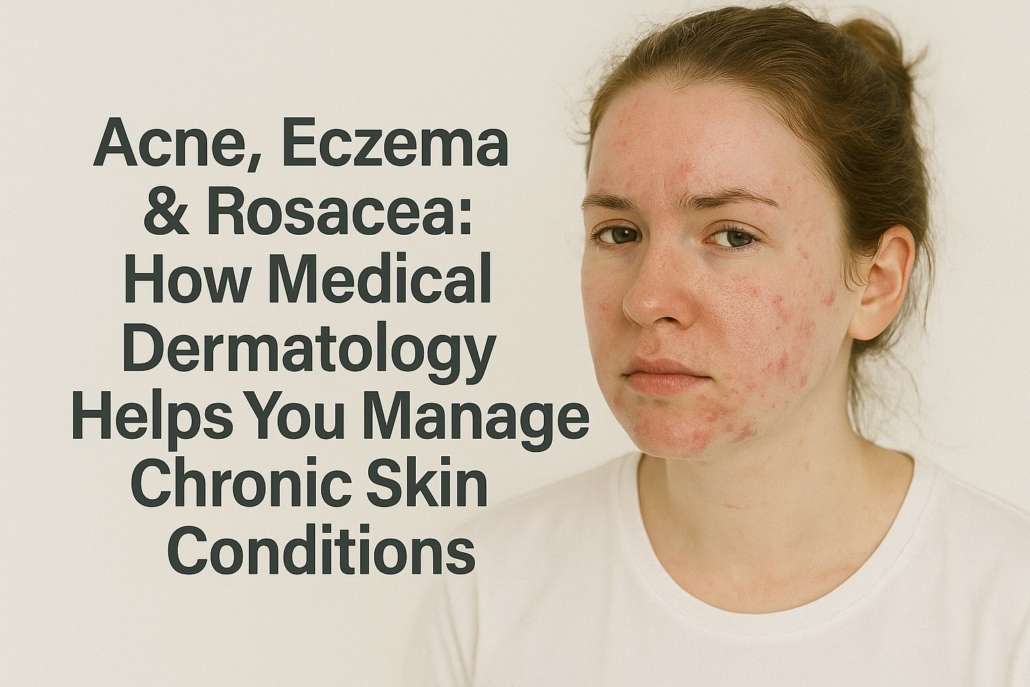
Acne, Eczema & Rosacea: How Medical Dermatology Helps You Manage Chronic Skin Conditions
Acne, eczema, and rosacea are three of the most common chronic skin conditions. They can cause redness, discomfort, and visible changes that affect confidence. While many people try to manage these issues with over-the-counter products, chronic skin conditions usually require medical diagnosis and long-term management. At DrCosmetist, medical dermatology focuses on understanding the root cause and providing tailored treatment plans that calm, control, and protect your skin.
What Are Chronic Skin Conditions?
Chronic skin conditions are long-lasting or recurring issues that tend to flare up and settle in cycles. They are often linked to inflammation, genetics, immune system activity, hormones, and environmental triggers.
Acne
Acne occurs when pores become clogged with oil, dead skin cells, and bacteria. It can present as blackheads, whiteheads, inflammatory pimples, nodules, or cysts. Hormones, genetics, stress, and skincare products all play a role.
Eczema
Eczema (atopic dermatitis) is an inflammatory condition that causes dry, itchy, red, or cracked skin. Flare-ups can be triggered by irritants, allergens, stress, temperature changes, or infections. It commonly affects the hands, face, neck, and skin folds.
Rosacea
Rosacea is a chronic condition that causes facial redness, flushing, visible blood vessels, and sometimes acne-like bumps. Triggers include heat, spicy food, alcohol, stress, and sun exposure.
Why Medical Dermatology Is Important
- Correct diagnosis prevents inappropriate or harsh treatments.
- Prescription options can control inflammation more effectively.
- Flare-ups can be reduced with long-term strategies.
- Scarring, thickening, and persistent redness can be minimised.
Treatment Approaches at DrCosmetist
For Acne
- Prescription creams such as retinoids or antibiotics
- Oral medications for moderate to severe acne
- Chemical peels and medical facials
- Microneedling for acne scars
- Skincare advice to prevent clogging and irritation
For Eczema
- Moisture barrier repair with emollients and ceramide-rich products
- Prescription anti-inflammatory creams
- Trigger identification and avoidance strategies
- Advice on gentle cleansing and bath routines
For Rosacea
- Anti-inflammatory topical treatments
- Oral medication during flare-ups
- Gentle skincare routines for sensitive skin
- Education on triggers such as heat, alcohol, and sun
What DrCosmetist Offers
At DrCosmetist, chronic skin care is not one-size-fits-all. Your doctor will:
- Take a detailed history of your symptoms and triggers
- Examine the skin carefully
- Design a treatment plan that fits your lifestyle and skin type
- Recommend medical-grade products where helpful
FAQs
Can chronic skin conditions be cured?
Most chronic conditions are managed rather than completely cured, but symptoms can often be greatly reduced and controlled.
How long does treatment take?
Improvements usually appear within a few weeks, with continued gains over months.
Conclusion
Living with acne, eczema, or rosacea can be frustrating, but you do not have to face these conditions alone. With medical support, it is possible to calm inflammation, reduce flare-ups, and protect your skin for the long term. DrCosmetist offers expert diagnosis and tailored treatment to help you feel more comfortable and confident in your skin.
Struggling with a chronic skin condition? Book a dermatology consultation at DrCosmetist and take the first step towards calmer, clearer skin.