
Hand & Neck Anti-Aging Why These Areas Age Faster — And How to Treat Them

Hand & Neck Anti-Aging: Why These Areas Age Faster — And How to Treat Them

Most anti-ageing routines focus on the face, yet the hands and neck are often the first areas to show visible ageing. Thin skin, constant exposure, and neglect in daily skincare make these areas more prone to wrinkles, pigmentation, and sagging. The good news is that targeted treatments can rejuvenate the hands and neck effectively. At DrCosmetist, anti-ageing plans include these often-forgotten areas to create a balanced, natural-looking result.

Why Hands and Neck Age Faster

Thinner Skin and Less Support

The skin on the hands and neck is thinner and has fewer oil glands. This makes it more vulnerable to dryness, fine lines, and crepiness.

High Sun Exposure

Hands and neck are frequently exposed to sunlight while driving, walking, or working outdoors. Over time, UV damage leads to dark spots, rough texture, and loss of elasticity.

Volume Loss

As we age, fat and collagen decrease. On the hands, this reveals tendons and veins; on the neck, it contributes to sagging and lines.

Neglected Skincare

Many people apply quality products and sunscreen to the face but forget the neck and hands, accelerating ageing in these areas.

Signs of Ageing in Hands and Neck

  • Brown spots and sun damage
  • Creepy or loose skin
  • Visible veins and tendons on the hands
  • Horizontal neck lines
  • Loss of jawline definition

Treatment Options at DrCosmetist

Dermal Fillers for Hands

Fillers can restore volume to thin, bony hands, creating a softer, more youthful appearance.

Skin Boosters

Hydrating injections improve elasticity and texture in both hands and neck.

Chemical Peels

Peels help fade dark spots and sun damage, while smoothing rough skin.

Microneedling

Microneedling stimulates collagen production, firming the neck and improving crepiness.

Medical-Grade Skincare

Retinol, vitamin C, and SPF can be extended down the neck and onto hands to prevent and treat ageing.

What DrCosmetist Offers

At DrCosmetist, hand and neck rejuvenation is carefully planned to complement facial treatments. Your doctor will:

  • Assess skin quality, pigmentation, and volume loss
  • Recommend a combination of injectables, peels, and skincare
  • Stage treatments for comfort and safety
  • Focus on natural, not overdone, results

FAQs

Are hand and neck treatments painful?
Most treatments involve minimal discomfort and are well tolerated.

Is there downtime?
There may be mild redness or swelling for a day or two, depending on the procedure.

Conclusion

Youthful, healthy-looking skin is about more than just the face. Treating the hands and neck helps create a harmonious, refreshed appearance. With the right combination of treatments and daily protection, these areas can look as smooth and radiant as your complexion.

Want a more complete anti-ageing plan? Book a consultation at DrCosmetist to explore hand and neck rejuvenation options tailored to you.
Doctor-Recommended Skincare Routine

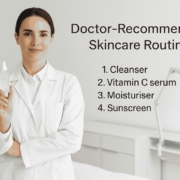
Doctor-Recommended Skincare Routine: Build the Perfect Daily Regimen for Your Skin Type

With so many skincare products on the market, choosing the right routine can feel overwhelming. A doctor-recommended regimen cuts through the noise by focusing on proven ingredients, correct layering, and products that suit your skin type. At DrCosmetist, skincare plans are personalised to support both everyday skin health and in-clinic treatments.

Why Your Skincare Routine Matters

  • It supports and maintains results from professional treatments.
  • It protects against daily damage from sun, pollution, and stress.
  • It keeps the skin barrier strong and resilient.
  • It can improve acne, pigmentation, dryness, and early ageing.

Step-by-Step Daily Routine

Morning Routine

  1. Cleanser: Use a gentle cleanser suitable for your skin type to remove oil and impurities.
  2. Antioxidant Serum: Vitamin C or similar antioxidants help protect against free-radical damage and brighten the skin.
  3. Moisturiser: Choose a lightweight gel for oily skin or a richer cream for dry or mature skin.
  4. Sunscreen: Apply SPF 30–50 every morning, even on cloudy days.

Evening Routine

  1. Cleanser: Remove sunscreen, makeup, and pollution.
  2. Treatment Serum: Depending on your concerns, this may be a hydrating serum, a pigment corrector, or an acne treatment.
  3. Retinol or Night Treatment: Retinoids support cell turnover and collagen, helping with ageing and texture.
  4. Night Moisturiser: Locks in hydration and supports overnight repair.

Adapting to Your Skin Type

Dry Skin

Use cream cleansers, hydrating serums (like hyaluronic acid), nourishing creams, and avoid harsh exfoliants.

Oily or Acne-Prone Skin

Use gel cleansers, non-comedogenic moisturisers, oil-controlling serums, and regular but gentle exfoliation.

Sensitive Skin

Choose fragrance-free, minimal-ingredient products. Avoid aggressive actives until assessed by a dermatologist.

Mature Skin

Include antioxidants, retinoids, peptides, and rich moisturisers to support firmness and elasticity.

Weekly Add-Ons

  • Gentle exfoliation 1–2 times per week
  • Hydrating or soothing masks
  • Occasional in-clinic treatments for deeper rejuvenation

What DrCosmetist Offers

DrCosmetist provides personalised skincare consultations to help you build an effective routine. Your doctor will consider your skin type, concerns, budget, and lifestyle, and may recommend medical-grade products for specific issues like pigmentation or acne.

FAQs

Do I need many products for good skin?
No. A simple routine with the right products is more effective than a complicated one.

How long does it take to see results?
Most people notice changes within four to twelve weeks of consistent use.

Conclusion

A thoughtful, doctor-recommended skincare routine is one of the best investments you can make in your skin. By using the right products in the right order, you can protect your skin and enhance its natural glow every day.

Need help building your routine? Book a skincare consultation at DrCosmetist and receive a personalised regimen designed for your skin type and goals.

Chemical Peels vs At-Home Exfoliators

Chemical Peels vs At-Home Exfoliators: What’s Right for Your Skin?

Exfoliation is essential for smooth, glowing skin, but not all exfoliating methods are the same. At-home scrubs and acids can help maintain clarity, while professional chemical peels provide deeper, more targeted results. Understanding the difference helps you decide when home care is enough and when it is time for a clinic treatment. At DrCosmetist, both approaches can be combined safely for optimal skin health.

At-Home Exfoliators

Physical Exfoliants

Scrubs containing small particles are designed to manually buff away dead skin. While they can leave skin feeling smooth, overuse or harsh formulas may cause micro-tears and irritation.

Chemical Exfoliants

At-home products with AHAs (like glycolic or lactic acid) and BHAs (like salicylic acid) gently dissolve dead skin cells and help unclog pores. These are usually mild and suitable for regular maintenance when used correctly.

Professional Chemical Peels

Chemical peels performed in a clinic use stronger, medical-grade solutions to remove damaged outer layers of skin and stimulate renewal. They are ideal for concerns such as:

  • Stubborn pigmentation
  • Acne and congestion
  • Rough texture
  • Dullness
  • Fine lines

Key Differences

  • Strength: Clinic peels are more powerful than home products and deliver more dramatic results.
  • Precision: A trained professional selects the right type and strength for your skin.
  • Safety: Peels are applied in a controlled setting with proper aftercare guidance.
  • Results: At-home exfoliators maintain skin, while peels actively correct deeper concerns.

Which Option Is Right for You?

Choose At-Home Exfoliators If:

  • Your main goal is ongoing maintenance.
  • You have mild congestion or dullness.
  • Your skin is generally healthy.

Choose Chemical Peels If:

  • You have pigmentation that will not fade.
  • You struggle with recurring acne or scarring.
  • Your texture feels rough or uneven.
  • You want a stronger boost in brightness and clarity.

What DrCosmetist Offers

At DrCosmetist, chemical peels are tailored to your skin type and concerns. Your doctor may recommend a series of gentle or medium-strength peels, supported by home-care exfoliants to maintain results between sessions.

FAQs

Will my skin peel visibly after a chemical peel?
Some peels cause noticeable flaking, while others provide a “no-peel” refresh. Your doctor will explain what to expect.

Can I use my exfoliating products before and after a peel?
You will usually be asked to stop active exfoliants for a few days before and after treatment.

Conclusion

Both at-home exfoliators and professional chemical peels play important roles in a healthy skincare routine. The right combination helps keep your skin clear, smooth, and radiant without irritation. DrCosmetist can guide you on when to rely on home care and when to upgrade to a peel for more significant results.

Considering a chemical peel? Book a consultation at DrCosmetist to find out which approach is right for your skin.

Eyelash Extensions Safety Guide

Eyelash Extensions Safety Guide: Risks, Aftercare & Who Should Avoid Them

Eyelash extensions can transform your eyes, giving you fuller, longer lashes without the need for mascara. However, because they are applied close to the eyes, safety and hygiene are crucial. Understanding the potential risks, proper aftercare, and who should avoid lash extensions helps you enjoy beautiful results without compromising eye health. At DrCosmetist, lash services are performed to high standards of comfort and safety.

What Are Eyelash Extensions?

Eyelash extensions are synthetic or natural fibres that are carefully attached to your natural lashes using a specially formulated adhesive. They are customised in length, curl, and thickness to create anything from a subtle enhancement to a glamorous look.

Potential Risks of Lash Extensions

  • Allergic reactions: Some people may react to ingredients in the adhesive, causing redness, itching, or swelling.
  • Irritation: Poorly applied extensions or strong fumes can irritate the eyes or eyelids.
  • Infection: If hygiene is not strict, bacteria can enter the eye area.
  • Damage to natural lashes: Lashes that are too heavy or pulled off can weaken or break your natural lashes.

Who Should Be Cautious or Avoid Extensions?

  • People with very sensitive or allergy-prone eyes
  • Those with active eye infections or inflammation
  • Individuals with certain skin conditions around the eyes
  • Anyone recovering from recent eye surgery

If you are unsure, a patch test and consultation are recommended before a full set is applied.

Essential Aftercare Tips

  • Avoid getting lashes wet for the first 24 hours after application.
  • Do not rub or pull your lashes.
  • Clean them regularly with a gentle, oil-free lash cleanser.
  • Avoid oil-based makeup removers and products around the eyes.
  • Brush your lashes daily with a clean spoolie.
  • Sleep on your back if possible to avoid crushing lashes.

Why Choose a Professional Clinic?

Having lash extensions applied in a clinical setting offers several advantages:

  • High hygiene standards
  • Quality adhesives and materials
  • Proper lash isolation and application technique
  • Customised styling for your eye shape and lash health
  • Safe removal when you are ready for a break or a new set

What DrCosmetist Offers

At DrCosmetist, lash extension services are carried out with a focus on safety, comfort, and natural-looking results. Your lash length, curl, and volume are selected to complement your features without overloading your natural lashes.

FAQs

How long do eyelash extensions last?
They usually last four to six weeks, with infills recommended every two to three weeks.

Can I wear eye makeup with extensions?
Yes, but avoid heavy mascara and use gentle, oil-free removers.

Conclusion

Eyelash extensions can be a safe and beautiful enhancement when performed correctly and cared for properly. By choosing a reputable clinic and following aftercare instructions, you can enjoy long-lasting, comfortable results. DrCosmetist provides lash services designed to protect natural lashes while enhancing your overall look.

Thinking about eyelash extensions? Book an appointment at DrCosmetist to discuss the safest, most suitable lash style for you.

Hyperpigmentation in Australia

Hyperpigmentation in Australia: Causes, Sun Exposure & Effective Treatment Options

Hyperpigmentation is especially common in Australia due to intense sun exposure and high UV levels. Dark spots, melasma, and uneven tone can affect confidence and are often difficult to treat with home remedies alone. Understanding why pigmentation occurs and how to manage it safely is essential for long-term skin health. At DrCosmetist, pigmentation is treated with a combination of medical-grade products and in-clinic procedures tailored to your skin.

What Is Hyperpigmentation?

Hyperpigmentation refers to areas of the skin that appear darker than the surrounding skin due to an increase in melanin. It can show up as:

  • Sunspots or age spots
  • Melasma (often hormonally driven)
  • Post-inflammatory marks after acne or injury
  • Freckles that darken over time

Why It Is So Common in Australia

High UV Exposure

Australia experiences some of the strongest UV radiation in the world. Even short periods outdoors without protection can trigger or worsen pigmentation.

Outdoor Lifestyle

Activities such as sports, beach visits, and outdoor work increase cumulative sun damage.

Hormonal Factors

Pregnancy, hormonal contraception, and hormonal conditions can cause melasma, which is particularly sensitive to sunlight.

Effective Treatment Options

Chemical Peels

Peels help lift surface pigmentation and encourage fresh, even-toned skin to emerge. A series of gentle to medium peels is often recommended.

Microneedling

Microneedling can help blend and soften pigmentation, especially when combined with brightening serums.

Medical-Grade Skincare

Products containing vitamin C, niacinamide, retinoids, and pigment-regulating ingredients help reduce dark spots and prevent new ones from forming.

Strict Sun Protection

No pigmentation treatment will succeed without daily SPF. Broad-spectrum sunscreen, hats, and shade are essential parts of any plan.

What DrCosmetist Offers

At DrCosmetist, pigmentation treatment includes:

  • Accurate diagnosis of the type of pigmentation
  • A personalised plan combining peels, microneedling, and skincare
  • Education on sun protection and lifestyle factors
  • Regular follow-up to track progress

FAQs

Can pigmentation be completely removed?
Many cases can be greatly lightened, but maintenance and sun protection are critical to prevent recurrence.

Is treatment safe for all skin tones?
Yes, when performed by an experienced practitioner who tailors the approach to your skin type.

Hyperpigmentation is a complex but treatable condition, especially when managed with professional guidance. By combining in-clinic treatments with consistent sun protection and targeted skincare, you can achieve a clearer, more even complexion. DrCosmetist offers safe, evidence-based options to help you manage pigmentation in Australia’s challenging climate.

Struggling with dark spots or uneven tone? Book a pigmentation consultation at DrCosmetist to explore your best treatment options.

How Lifestyle Affects Your Skin

How Lifestyle Affects Your Skin: Stress, Diet, Sleep & Hormones Explained

Your skin reflects what is happening inside your body. Stress, lack of sleep, poor diet, dehydration, and hormonal changes all show up on the skin as breakouts, dullness, flare-ups, or premature ageing. While skincare products are important, lifestyle factors often determine how well your skin responds. At DrCosmetist, skin health is approached holistically, taking your daily habits into account as part of your treatment plan.

Stress and Skin

When you are stressed, your body releases hormones such as cortisol that increase oil production and inflammation. This can lead to:

  • Acne breakouts
  • Redness and sensitivity
  • Worsening of conditions like eczema and rosacea
  • Slower healing and repair

Sleep and Skin Repair

During sleep, the skin goes into repair mode. Inadequate rest can cause:

  • Dull, tired-looking skin
  • Dark circles and puffiness
  • Increased fine lines over time
  • Delayed healing of blemishes or inflammation

Diet and Hydration

What you eat fuels your skin. Diets high in sugar, processed foods, and certain dairy products may aggravate acne and inflammation. On the other hand, a diet rich in antioxidants, healthy fats, vitamins, and minerals supports clearer, stronger skin. Drinking enough water helps maintain elasticity and a healthy barrier.

Hormones and Skin Changes

Hormones influence oil production, pigmentation, and sensitivity. Puberty, menstrual cycles, pregnancy, menopause, and conditions such as PCOS can trigger:

  • Acne or oiliness
  • Melasma and dark patches
  • Dryness or thinning skin
  • Hair loss or excess hair growth

Environmental Factors

Sun exposure, heat, and pollution all contribute to premature ageing and pigmentation. In Australia, strong UV radiation makes daily sunscreen and antioxidant protection essential.

How DrCosmetist Can Help

At DrCosmetist, your lifestyle is considered alongside your skin concerns. Your doctor may discuss:

  • Stress management strategies
  • Simple dietary improvements for skin health
  • Sleep habits and routines
  • Whether hormonal assessment may be useful
  • How to protect your skin from environmental stressors

These discussions support in-clinic treatments and skincare to give you better, longer-lasting results.

FAQs

Can lifestyle changes really improve skin?
Yes. While they may not replace medical treatment, lifestyle improvements often enhance and stabilise your results.

How long does it take to see a difference?
With consistent changes, many people notice improvements in four to eight weeks.

Conclusion

Healthy skin is created from the inside out as well as from the outside in. Managing stress, eating well, sleeping enough, staying hydrated, and protecting against sun exposure all play a vital role. Combined with professional dermatology care at DrCosmetist, a balanced lifestyle can help you achieve clearer, calmer, and more radiant skin.

Want a more holistic approach to your skin? Book a consultation at DrCosmetist to discuss both lifestyle and treatment options tailored to you.

Types & Treatment Options

Benefits of Professional Beauty Treatments vs Home Beauty Tools

Home beauty tools have become increasingly popular, promising smoother, clearer, and younger-looking skin from the comfort of your bathroom. While some devices can complement a good routine, they cannot replace the expertise, technology, and safety of professional treatments. This article explains the differences between home tools and clinic-based treatments so you can make informed decisions about your skincare at DrCosmetist.

Home Beauty Tools

Common at-home devices include facial cleansing brushes, handheld LED masks, jade rollers, microcurrent devices, and basic derma rollers. Used correctly, they can give mild improvements in circulation, cleansing, or product absorption.

Limitations of Home Tools

  • They use lower-strength technology for safety reasons.
  • Results are usually subtle and require consistent use.
  • Incorrect use may irritate or damage the skin.
  • They are not designed to treat complex conditions such as significant pigmentation or scarring.

Professional Beauty Treatments

In-clinic treatments at DrCosmetist use medical-grade equipment and are performed or supervised by trained professionals. Examples include:

  • Chemical peels
  • Microneedling
  • Hydrating and clarifying facials
  • Skin boosters
  • Advanced rejuvenation therapies

Advantages of Professional Treatments

  • Stronger, more effective technology
  • Treatments tailored to your skin type and concerns
  • High standards of hygiene and safety
  • Ability to combine multiple techniques for better results
  • Longer-lasting and more visible improvements

When to Use Home Tools

Home tools can be helpful for:

  • Gentle facial massage
  • Basic cleansing support
  • Relaxation and self-care
  • Maintaining skin between professional treatments

When to Choose Professional Treatments

Professional treatments are recommended when you want to address:

  • Persistent acne or congestion
  • Noticeable pigmentation or melasma
  • Fine lines, wrinkles, and sagging
  • Acne scars or texture irregularities
  • Significant dullness or dehydration

What DrCosmetist Offers

DrCosmetist provides a range of professional treatments that can be customised and combined for your needs. Rather than relying on trial and error with home devices, you receive a clear plan based on expert assessment and proven methods.

FAQs

Can I use home tools alongside professional treatments?
In many cases, yes, but it is important to check with your practitioner to avoid over-treating the skin.

Are clinic treatments painful?
Most treatments cause minimal discomfort and are well tolerated, with downtime explained in advance.

Conclusion

Home beauty tools have their place, but they are no substitute for professional-grade treatments performed in a clinical environment. For meaningful, long-lasting improvement, expert care is essential. DrCosmetist offers safe, effective beauty treatments designed to deliver real results.

Ready for a more professional approach to your skin? Book a consultation at DrCosmetist to explore the best treatment plan for you.

Male Skin & Hair Care

Male Skin & Hair Care: Why Men Need Dermatology More Than Ever

Men’s skin and hair have their own unique needs. Thicker skin, more active oil glands, regular shaving, and a higher likelihood of early hair loss all affect how men age and how their skin behaves. Despite this, many men still rely on basic grooming alone. Modern dermatology offers tailored solutions to help men manage acne, oiliness, sensitivity, and hair thinning effectively. At DrCosmetist, male skin and hair care is approached with practicality and subtle, natural-looking results in mind.

How Male Skin Is Different

  • Thicker skin: Men’s skin has more collagen, which delays fine lines but can lead to deeper wrinkles later.
  • More oil production: Higher sebum levels increase the risk of acne and shine.
  • Shaving impact: Regular shaving can cause irritation, ingrown hairs, and sensitivity.
  • Sun exposure: Men are often less consistent with sunscreen, leading to faster sun damage.

Common Skin Concerns in Men

  • Acne and blackheads, especially on the face and back
  • Oily or combination skin
  • Razor bumps and ingrown hairs
  • Rough texture and enlarged pores
  • Sunspots and early wrinkles

Hair and Scalp Concerns

Male pattern hair loss is extremely common and may begin as early as the twenties. Stress, genetics, hormones, and scalp health all play a role. Without early intervention, hair thinning tends to progress over time.

How Dermatology Helps Men

Acne and Oil Control

Men benefit from medical treatments that control breakouts without over-drying the skin. Options include prescription creams, peels, and professional facials.

Razor Bump and Irritation Solutions

Dermatologists can recommend shaving techniques, products, and treatments that minimise ingrown hairs and redness.

Anti-Ageing and Sun Damage

Subtle anti-wrinkle injections, skin boosters, and medical skincare can refresh the skin without looking obvious or “done.”

Hair Loss Management

Scalp assessments, microneedling, medical hair serums, and lifestyle advice can help slow or improve hair thinning when started early.

What DrCosmetist Offers Men

At DrCosmetist, male patients receive straightforward, realistic guidance and treatment options. Plans are tailored to suit busy lifestyles and preferences for natural-looking results.

Simple Skincare Routine for Men

  • Cleanser morning and night
  • Moisturiser suitable for skin type
  • Sunscreen every morning
  • Treatment products as recommended (for acne, ageing, or pigmentation)

FAQs

Are cosmetic treatments for men noticeable?
Treatments at DrCosmetist are designed to look subtle and refreshed rather than obvious.

Is it too late to treat hair loss?
Earlier is always better, but even established thinning may improve with the right plan.

Men’s skin and hair deserve the same level of care as women’s, tailored to their unique needs. With professional support, men can manage acne, protect against sun damage, and address hair loss with confidence. DrCosmetist offers discreet, effective dermatology solutions specifically suited to men.

Interested in improving your skin or hair? Book a male-focused consultation at DrCosmetist for a personalised, practical plan.

Seasonal Skin Care: How to Protect Your Skin During Australia’s Harsh Summer

Australian summers are beautiful but tough on the skin. High UV levels, heat, humidity, and outdoor activities all contribute to sunburn, pigmentation, dehydration, and premature ageing. Seasonal skincare adjustments are essential to keep your skin healthy and protected. At DrCosmetist, summer skincare plans are customised to help you enjoy the season while safeguarding your skin.

Why Australian Summer Is Hard on Skin

  • Intense UV radiation increases the risk of sunburn, dark spots, and skin cancer.
  • Heat and humidity can cause excess oil, breakouts, and irritation.
  • Dehydration from high temperatures dries out the skin.
  • Outdoor lifestyles lead to more cumulative sun exposure.

Summer Skincare Essentials

Daily Sunscreen

Sunscreen is non-negotiable in Australia. Use a broad-spectrum SPF 30–50 on the face, neck, ears, and hands every morning, and reapply every two hours when outdoors.

Lighter Textures

Swap heavy creams for lighter gels and lotions that hydrate without clogging pores. This is especially important for oily or combination skin.

Hydration from Inside and Out

Drink plenty of water and use hydrating serums containing hyaluronic acid to keep skin plump and comfortable.

Gentle Cleansing

Cleanse twice daily to remove sweat, oil, and sunscreen build-up, but avoid harsh, stripping cleansers that damage the skin barrier.

Antioxidants

Vitamin C and other antioxidant serums help defend against environmental damage and support a brighter complexion.

Common Summer Skin Problems and Solutions

Sunburn

Prevention is best, but if sunburn occurs, soothe with cool compresses, fragrance-free moisturiser, and avoid further sun exposure while healing.

Breakouts

Heat and sweat can clog pores. Use non-comedogenic products, avoid heavy makeup, and consider professional facials or peels for congestion.

Pigmentation

Dark spots often worsen in summer. Consistent SPF, hats, and pigment-targeting skincare are key, with clinic treatments considered once skin is stable.

What DrCosmetist Offers for Summer Skin

DrCosmetist provides:

  • Summer-focused skincare reviews
  • Hydrating and clarifying facials
  • Light chemical peels
  • Advice on safe timing for stronger treatments
  • Recommendations for sunscreens and antioxidant products

FAQs

Can I have peels in summer?
Yes, with careful planning, sun protection, and appropriate peel strength.

Do I still need sunscreen if I stay indoors?
Yes. UV can penetrate windows, so daily protection is important.

Australia’s summer climate demands extra care for your skin, but with the right routine and professional support, you can stay protected and glowing. Adjusting your skincare for the season, combined with regular check-ins at DrCosmetist, helps maintain healthy, resilient skin all year round.

Want a summer-ready skin plan? Book a seasonal skincare consultation at DrCosmetist to tailor your routine to Australia’s harsh summer conditions.

Facial Aesthetic Consultation

Facial Aesthetic Consultation: What to Expect During Your First Visit

A facial aesthetic consultation is the first and most important step on your cosmetic journey. Instead of guessing which treatment you need, a consultation allows a qualified doctor to examine your skin, understand your concerns, and design a treatment plan tailored to your goals. At DrCosmetist, every consultation is structured, medically focused, and centred around natural results.

What Is a Facial Aesthetic Consultation?

A facial aesthetic consultation is a detailed assessment of your face, skin quality, and facial proportions. The doctor reviews your medical history, lifestyle, and concerns before suggesting any treatment. It is not a quick sales appointment – it is a professional evaluation to determine what is safe, realistic, and suitable for you.

Why a Consultation Matters

Every Face Ages Differently

Sun exposure, genetics, stress, and lifestyle all affect how your skin changes over time. A consultation helps identify the areas that need support, such as loss of volume, fine lines, pigmentation, or texture issues.

Safety First

Your doctor reviews your medical history, allergies, medications, and previous treatments to ensure that any procedure recommended is safe for you.

Personalised Treatment Plan

Instead of one-size-fits-all treatments, you receive a plan customised to your skin type, age, and goals. This may include injectables, skin rejuvenation, medical-grade skincare, or a combination approach.

What Happens During the Consultation?

1. Skin and Facial Analysis

The doctor examines your skin texture, tone, elasticity, pores, fine lines, and facial balance. Areas such as the eyes, jawline, cheeks, and neck are carefully assessed.

2. Discussion of Concerns and Goals

You can openly talk about anything that bothers you – tired-looking eyes, wrinkles, uneven tone, loss of volume, or preventive anti-ageing. This conversation guides your treatment plan.

3. Medical History Review

The doctor asks about your medical conditions, medications, allergies, pregnancy status, and previous cosmetic procedures. This reduces the risk of complications.

4. Treatment Options Explained

Based on the assessment, suitable options are explained. These may include anti-wrinkle injections, dermal fillers, skin rejuvenation, chemical peels, microneedling, or medical skincare. The benefits, downtime, and expected results are discussed clearly.

5. Personalised Plan and Next Steps

You leave with a recommended plan that outlines which areas to treat, how many sessions are ideal, and what kind of results to expect. There is no pressure to decide on the spot – you can take time to think about it.

What DrCosmetist Offers

At DrCosmetist, consultations are:

  • Doctor-led and medically focused
  • Honest and educational
  • Designed for natural, balanced results
  • Centred on long-term skin health

You are encouraged to ask questions so you fully understand every step in your aesthetic journey.

FAQs

How long does a consultation take?
Most consultations take around 20–30 minutes, depending on your concerns.

Do I have to book a treatment on the same day?
No. You are welcome to take your time and book later.

Is there any downtime?
No. The consultation itself has no downtime – it is a discussion and assessment only.

A facial aesthetic consultation is the safest way to start your cosmetic journey. With expert assessment and a personalised plan, you can achieve refreshed, natural-looking results instead of guessing which treatments to try. At DrCosmetist, your comfort, safety, and confidence come first.

Ready to begin? Book your facial aesthetic consultation at DrCosmetist and take the first step towards healthier, rejuvenated skin.