Seasonal Skincare in Australia

Seasonal Skincare in Australia: How to Protect Your Skin Year-Round

Australia’s climate is demanding on skin. High UV levels, heat, humidity, and seasonal shifts can accelerate pigmentation, dehydration, and premature ageing. A year-round strategy—adjusted for the season—keeps the barrier healthy and reduces flare-ups in acne-prone or sensitive skin.

Summer: UV, heat, and pigmentation risk

UV exposure is the single biggest driver of premature ageing and pigmentation. Daily broad-spectrum SPF is essential, not optional.

Heat and humidity can increase oil production, congestion, and inflammation. Lightweight textures and consistent cleansing help reduce breakouts without stripping the barrier.

If you are pigment-prone, hats, shade, and reapplication of sunscreen are as important as any brightening product.

Winter: barrier dryness and sensitivity

Cooler weather, indoor heating, and wind can increase dryness and sensitivity, especially on the cheeks and around the mouth.

Barrier-repair moisturisers and gentle cleansers become more important, and harsh actives may need spacing to avoid irritation.

If eczema or dermatitis flares in winter, early management protects the skin and reduces long recovery periods.

Transitional seasons: flare-ups and unpredictability

Spring and autumn can trigger mixed patterns—oiliness in the T-zone with dryness elsewhere, or fluctuating sensitivity.

This is a good time for a skincare review: adjust active frequency, ensure SPF consistency, and support hydration.

Treatments and timing

Some treatments are best planned around seasons and lifestyle. For example, strong sun exposure may influence the timing of corrective pigmentation work.

A clinician can help plan treatment courses so you get results while minimising risk and downtime.

How DrCosmetist builds seasonal plans

We assess your baseline skin type, your seasonal triggers, and your goals (pigmentation, acne control, texture, ageing).

Your plan may include in-clinic maintenance plus a simplified home routine that adapts across seasons while protecting the barrier and supporting consistent results.

FAQs

Do I need sunscreen in winter?
Yes. UV exposure still occurs, and cumulative exposure drives pigmentation and ageing over time.

Should I change my moisturiser seasonally?
Often yes. Many people need lighter hydration in summer and more barrier support in winter.

Can seasonal changes trigger acne?
Yes. Heat, sweat, and product changes can affect congestion and inflammation.

Next Step

If your skin changes with the seasons—pigmentation in summer, dryness in winter, or flare-ups during transitions—book a seasonal skincare consultation at DrCosmetist. We’ll tailor a year-round plan that protects your skin and supports long-term results.

Acne vs Hormonal Acne

Acne vs Hormonal Acne: How to Identify the Real Cause

Acne is not one single condition. Two people can have similar-looking breakouts but completely different triggers, which is why “doing everything right” with skincare sometimes still fails. One of the most common reasons adult acne persists is an underlying hormonal driver. The key to clearer skin is identifying the pattern, confirming the trigger, and choosing a treatment plan that matches your acne type—without damaging your skin barrier.

What hormonal acne typically looks like

Hormonal acne is commonly concentrated around the lower face—chin, jawline, and lower cheeks—and often forms deeper, tender bumps that can linger.

Many patients notice a predictable flare pattern around menstrual cycles, stressful periods, or major hormonal shifts such as postpartum changes, perimenopause, or stopping/starting contraception.

Because the trigger is internal, strong cleansers and harsh spot treatments may briefly reduce oil but rarely stop the cycle of inflammation.

What “traditional” (non-hormonal) acne looks like

Non-hormonal acne is more closely linked to clogged pores, excess oil, acne bacteria, and inflammation at the follicle level.

It commonly appears in the T-zone (forehead, nose, central cheeks) as blackheads, whiteheads, and smaller inflamed pimples.

This acne type often responds well to a structured routine: gentle cleansing, topical retinoids, salicylic acid, and professional treatments that reduce congestion.

Why self-treatment often makes adult acne worse

Many people treat persistent acne by layering multiple active products (acids, retinoids, benzoyl peroxide) at the same time. If your skin barrier becomes irritated, redness and sensitivity increase—and acne can look worse.

Over-exfoliation can also trigger rebound oiliness and inflammation, increasing the risk of post-inflammatory hyperpigmentation (dark marks) and long-term scarring.

A medical plan focuses on controlling inflammation while protecting the barrier—so the skin can actually heal.

How DrCosmetist approaches acne diagnosis

A proper assessment looks at distribution, lesion type, scarring risk, and trigger patterns. Your clinician also reviews lifestyle and medical history that can influence acne (stress, sleep, diet patterns, medications, hair/skin changes).

If hormonal acne is suspected, treatment may include a combination strategy: medical-grade skincare plus targeted in-clinic therapies and, when appropriate, prescription options guided by a clinician.

Treatments commonly used for clearer skin

Medical-grade skincare: barrier-supportive cleansers and moisturisers plus evidence-based actives prescribed in the right sequence.

Professional exfoliation and resurfacing: clinic peels and acne-safe treatments help clear congestion and smooth texture while respecting sensitivity.

Scar and mark prevention: early intervention reduces inflammation and helps minimise pigmentation and scarring that can linger long after breakouts stop.

FAQs

How long does it take to see results?
Most patients see early improvement within 4–8 weeks, but consistent treatment over 3–4 months is usually required for stable control.

Can acne be treated if I have sensitive skin?
Yes. The plan should be barrier-first, using gentle actives at medical strength and appropriate spacing to avoid irritation.

Why does my acne return in the same spots?
Recurring lower-face lesions often suggest a hormonal driver; a clinician can confirm patterns and tailor treatment accordingly.

Next Step

If your acne keeps returning—or you suspect it’s hormonal—book an acne consultation at DrCosmetist. You’ll receive a personalised plan designed for long-term control, fewer marks, and healthier skin.

Chemical Peels

Chemical Peels: What They Treat and How to Choose the Right One

Chemical peels are one of the most effective, evidence-based treatments for improving acne, pigmentation, and overall skin tone. The key is choosing the correct peel type and strength for your skin—because the ‘best’ peel is the one that targets your concern without compromising the skin barrier.

What a chemical peel does

A chemical peel uses a controlled exfoliating solution to remove damaged surface cells and stimulate renewal.

As the skin sheds and rebuilds, many patients see smoother texture, brighter tone, fewer clogged pores, and a more even complexion.

Concerns peels can improve

Acne and congestion by reducing blocked pores and balancing oily areas.

Post-acne marks and uneven tone by accelerating turnover and supporting more even pigment distribution.

Sun damage and superficial pigmentation by lifting surface discolouration and improving brightness.

Fine-texture roughness by smoothing the upper layers of the skin.

Different peel depths and what they mean

Superficial peels: typically minimal downtime and ideal for maintenance, mild acne, and glow.

Medium-depth peels: more corrective, often used for stubborn pigmentation and more noticeable texture issues, with a longer recovery window.

The correct choice depends on your skin type, sensitivity, and whether you are prone to pigmentation.

What to expect after a peel

Some peels cause mild redness and light flaking; others cause more visible peeling for several days. Your clinician will explain what’s normal for your peel type.

Strict sun protection is essential. UV exposure after a peel can increase pigmentation risk and slow healing.

Home care is usually simplified immediately after treatment to protect the barrier and support recovery.

Why professional selection matters

At-home acids can be helpful, but clinic peels are stronger and need appropriate matching to skin tone and sensitivity.

A clinician evaluates your pigmentation risk, history of sensitivity, current skincare actives, and timing (holidays, events) to plan safely.

At DrCosmetist, peels are often part of a series and may be combined with other treatments for more comprehensive results.

FAQs

Can I get peels if I’m acne-prone?
Yes—many peels are excellent for acne and congestion when selected appropriately.

Will I peel a lot?
It depends on the peel depth. Some are ‘no-peel’ or very light flaking; others involve visible peeling for several days.

How many peels do I need?
Many patients do a course of 3–6 peels spaced weeks apart, depending on the concern and how your skin responds.

Next Step

To choose the safest, most effective peel for your skin, book a chemical peel consultation at DrCosmetist. We’ll tailor the formula and schedule to your skin type and goals for predictable results.

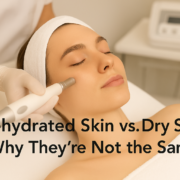
Dehydrated Skin vs Dry Skin

Dehydrated Skin vs Dry Skin: Why They’re Not the Same

Dry skin and dehydrated skin are often used interchangeably, but they describe two different issues. Dry skin lacks oil (lipids), while dehydrated skin lacks water. Because the solutions differ, identifying which one you have is essential for comfort, glow, and long-term barrier health.

Dry skin: what it means

Dry skin is a skin type. It produces fewer natural oils, which makes it prone to flaking, tightness, and sensitivity.

Dry skin often benefits from richer moisturisers, barrier-repair ingredients, and gentle cleansing to prevent further lipid loss.

If you have consistently dry skin year-round, it is likely your baseline skin type rather than a temporary condition.

Dehydrated skin: what it means

Dehydration is a skin condition, not a skin type. Even oily skin can be dehydrated.

It is often caused by climate changes, air conditioning, harsh cleansers, over-exfoliation, and using strong active ingredients without adequate barrier support.

Dehydrated skin can look dull, feel tight, and show fine dehydration lines—yet still become oily or breakout-prone.

Why treating the wrong problem can backfire

If dehydrated oily skin is treated with heavy occlusive creams, congestion may worsen.

If truly dry skin is treated only with light gel products, the barrier remains weak and sensitivity persists.

The best plan restores both water balance and barrier lipids when needed—without overwhelming the skin.

Clinic and at-home solutions

Hydration-focused treatments can restore water content, improve glow, and help the skin tolerate active ingredients better.

Medical-grade skincare can address dehydration with humectants (such as hyaluronic acid) plus barrier-repair ingredients that reduce transepidermal water loss.

Lifestyle factors matter too: adequate water intake, balanced cleansing, and consistent SPF all support healthier skin function.

How DrCosmetist tailors hydration plans

A skin assessment identifies whether you primarily lack oil, water, or both. The plan is then built around the simplest routine that delivers stability.

When the barrier is stable and hydration is optimised, other concerns—texture, pigmentation, fine lines—often improve faster and more safely.

FAQs

Can oily skin be dehydrated?
Yes. Oily skin can still lack water, especially after over-cleansing or overusing exfoliants.

How long does it take to fix dehydration?
Many people feel improvement within 1–2 weeks, but stable barrier recovery can take 4–8 weeks depending on irritation levels.

Should I stop actives if my skin is dehydrated?
Often yes, temporarily. Your clinician can guide which ingredients to pause and when to reintroduce them safely.

Next Step

If your skin feels tight, looks dull, or reacts easily, book a hydration and skin health consultation at DrCosmetist. We’ll identify whether you’re dry, dehydrated, or both—and build a plan that restores comfort and radiance.

Types & Treatment Options

Benefits of Professional Beauty Treatments vs Home Beauty Tools

Home beauty tools have become increasingly popular, promising smoother, clearer, and younger-looking skin from the comfort of your bathroom. While some devices can complement a good routine, they cannot replace the expertise, technology, and safety of professional treatments. This article explains the differences between home tools and clinic-based treatments so you can make informed decisions about your skincare at DrCosmetist.

Home Beauty Tools

Common at-home devices include facial cleansing brushes, handheld LED masks, jade rollers, microcurrent devices, and basic derma rollers. Used correctly, they can give mild improvements in circulation, cleansing, or product absorption.

Limitations of Home Tools

  • They use lower-strength technology for safety reasons.
  • Results are usually subtle and require consistent use.
  • Incorrect use may irritate or damage the skin.
  • They are not designed to treat complex conditions such as significant pigmentation or scarring.

Professional Beauty Treatments

In-clinic treatments at DrCosmetist use medical-grade equipment and are performed or supervised by trained professionals. Examples include:

  • Chemical peels
  • Microneedling
  • Hydrating and clarifying facials
  • Skin boosters
  • Advanced rejuvenation therapies

Advantages of Professional Treatments

  • Stronger, more effective technology
  • Treatments tailored to your skin type and concerns
  • High standards of hygiene and safety
  • Ability to combine multiple techniques for better results
  • Longer-lasting and more visible improvements

When to Use Home Tools

Home tools can be helpful for:

  • Gentle facial massage
  • Basic cleansing support
  • Relaxation and self-care
  • Maintaining skin between professional treatments

When to Choose Professional Treatments

Professional treatments are recommended when you want to address:

  • Persistent acne or congestion
  • Noticeable pigmentation or melasma
  • Fine lines, wrinkles, and sagging
  • Acne scars or texture irregularities
  • Significant dullness or dehydration

What DrCosmetist Offers

DrCosmetist provides a range of professional treatments that can be customised and combined for your needs. Rather than relying on trial and error with home devices, you receive a clear plan based on expert assessment and proven methods.

FAQs

Can I use home tools alongside professional treatments?
In many cases, yes, but it is important to check with your practitioner to avoid over-treating the skin.

Are clinic treatments painful?
Most treatments cause minimal discomfort and are well tolerated, with downtime explained in advance.

Conclusion

Home beauty tools have their place, but they are no substitute for professional-grade treatments performed in a clinical environment. For meaningful, long-lasting improvement, expert care is essential. DrCosmetist offers safe, effective beauty treatments designed to deliver real results.

Ready for a more professional approach to your skin? Book a consultation at DrCosmetist to explore the best treatment plan for you.

Skin Rejuvenation Treatments: A Complete Guide to Brighter, Younger-Looking Skin

Skin rejuvenation treatments are designed to restore brightness, smoothness, and firmness to tired or ageing skin. Whether you are noticing fine lines, dullness, pigmentation, or texture changes, modern cosmetic dermatology offers safe, effective ways to refresh your complexion. At DrCosmetist, skin rejuvenation is personalised to your skin type and long-term goals.

What Is Skin Rejuvenation?

Skin rejuvenation refers to a range of treatments that repair damage, stimulate collagen, and improve overall skin quality. These treatments target concerns such as:

  • Fine lines and wrinkles
  • Uneven tone and pigmentation
  • Acne scars and texture
  • Dull or tired-looking skin
  • Loss of firmness

Why Skin Changes Over Time

As we age, collagen and elastin levels decline, cell turnover slows, and sun exposure builds up damage. Lifestyle factors such as stress, diet, and sleep also affect the skin. Over time, this leads to thinner, drier, less resilient skin with visible lines and uneven tone.

Popular Skin Rejuvenation Treatments

Chemical Peels

Chemical peels use carefully selected acids to remove damaged outer layers of skin. They help reduce pigmentation, smooth texture, and brighten the complexion. Peels can be very gentle or more intensive depending on your needs.

Microneedling

Microneedling uses very fine needles to create controlled micro-channels in the skin. This stimulates collagen production and helps improve fine lines, scars, and texture. It can also enhance the absorption of active serums.

Skin Boosters and Hydration Therapy

Skin boosters deliver hydrating ingredients like hyaluronic acid into the skin to improve glow, elasticity, and smoothness. These treatments are ideal for dry or tired-looking skin.

Anti-Wrinkle Injections and Fillers

In some cases, skin rejuvenation includes treating deeper lines and volume loss. Anti-wrinkle injections soften expression lines, while fillers restore volume to areas such as cheeks, lips, and under-eyes for a more youthful structure.

Medical-Grade Facials

Custom facials using clinical products combine cleansing, exfoliation, hydration, and sometimes LED therapy. They are excellent maintenance treatments and support other rejuvenation procedures.

What to Expect from a Treatment Plan

At DrCosmetist, skin rejuvenation usually involves a series of sessions rather than a single treatment. You may be recommended:

  • A course of peels or microneedling sessions
  • Hydration or skin booster treatments
  • Medical-grade skincare to use at home
  • Maintenance facials at regular intervals

This layered approach ensures long-lasting, natural-looking results.

What DrCosmetist Offers

Every treatment plan at DrCosmetist starts with a professional skin assessment. Your doctor will:

  • Identify your key concerns
  • Assess your skin type and sensitivity
  • Explain suitable treatment options
  • Design a gradual, safe rejuvenation plan

FAQs

How many sessions will I need?
Most patients benefit from three to six sessions, depending on their goals and starting point.

Is there downtime?
Some treatments cause mild redness or flaking for a few days, while others have no downtime. Your doctor will explain this in advance.

Conclusion

Skin rejuvenation is not about looking artificial – it is about restoring a healthy, radiant, and refreshed appearance. With the right combination of treatments and skincare, your skin can look brighter, smoother, and more youthful. DrCosmetist offers personalised, doctor-led rejuvenation plans focused on safety and natural results.

Ready to refresh your skin? Book a skin rejuvenation consultation with DrCosmetist and discover the best plan for your complexion.

Hair & Scalp Health 101

Hair & Scalp Health 101: Understanding Hair Loss and Early Warning Signs

Hair loss can be worrying, whether it appears suddenly or gradually over time. The good news is that many types of hair thinning can be slowed, improved, or even reversed when treated early. Healthy hair begins with a healthy scalp, and understanding the early warning signs of hair loss is the first step towards protecting your hair. At DrCosmetist, hair and scalp health are approached with medical precision and personalised care.

What Is Hair Loss?

Hair loss, or alopecia, describes any situation where the hair becomes thinner, sheds excessively, or fails to grow back properly. It can affect the scalp evenly or appear as patches, receding areas, or a widening part line.

Common Causes of Hair Loss

  • Genetics: Male and female pattern hair loss are strongly inherited.
  • Hormonal changes: Pregnancy, menopause, thyroid imbalance, and conditions like PCOS can affect hair.
  • Stress and illness: Physical or emotional stress can shift hairs into a shedding phase.
  • Poor scalp health: Dandruff, dermatitis, and infections weaken hair follicles.
  • Nutrient deficiencies: Low iron, vitamin D, and other nutrients reduce hair strength.
  • Hair styling damage: Heat, tight hairstyles, and chemical treatments can break hair.

Early Warning Signs You Should Not Ignore

  • More hair than usual on your pillow or in the shower
  • A widening part line or visible scalp in photos
  • A receding hairline or thinning at the temples
  • Scalp itchiness, flaking, or redness
  • Hair that feels thinner, weaker, or breaks easily
  • Smaller, finer “baby” hairs replacing normal strands

Treatment Options for Hair and Scalp Health

Scalp Treatments

Targeted scalp therapies can reduce inflammation, control dandruff, and create the right environment for healthy hair growth.

Microneedling for Hair

Microneedling helps stimulate blood flow and growth factors around hair follicles. It can be combined with hair serums to support regrowth.

Medical-Grade Hair Serums

Specialist serums support follicle strength, reduce shedding, and improve hair quality over time.

Lifestyle and Nutritional Guidance

Stress management, a balanced diet, and addressing deficiencies are important for long-term hair health.

What DrCosmetist Offers

At DrCosmetist, a hair and scalp assessment includes:

  • A detailed history of your hair changes
  • Examination of the scalp and hair density
  • Discussion of possible triggers such as stress, diet, or hormones
  • A customised plan that may include in-clinic treatments, at-home products, and lifestyle advice

FAQs

Is all hair loss permanent?
No. Many forms of hair loss can be improved if treated early.

How long before I see results?
Hair growth cycles are slow, so it may take three to six months to notice visible improvement.

Conclusion

Hair loss is common, but you do not have to accept it without answers. By paying attention to early warning signs and seeking expert care, you can protect your hair and scalp for the long term. DrCosmetist offers personalised, evidence-based treatment plans designed to support stronger, healthier hair.

Concerned about hair loss? Book a hair and scalp consultation at DrCosmetist to understand the cause and explore your options.

When Should You See a Dermatologist

When Should You See a Dermatologist? Skin Issues You Should Never Ignore

Not every skin concern requires a specialist, but some symptoms should never be ignored. While minor dryness or an occasional pimple may be harmless, persistent or worsening issues can signal underlying conditions that need professional care. Seeing a dermatologist early can prevent complications, scarring, and long-term damage. This guide highlights the key signs that it is time to book an appointment with a dermatologist at DrCosmetist.

What Does a Dermatologist Do?

A dermatologist is a doctor who specialises in skin, hair, and nail health. They diagnose and treat conditions such as acne, eczema, psoriasis, rosacea, hair loss, pigmentation, rashes, and suspicious moles. They also support anti-ageing and skin rejuvenation from a medical perspective.

Skin Issues You Should Never Ignore

1. Persistent or Severe Acne

If breakouts last more than a few weeks, leave scars, or do not respond to over-the-counter products, it is time to see a dermatologist. Untreated acne can lead to permanent marks and pigmentation.

2. Rapidly Spreading Rashes

Rashes that spread quickly, are painful, or are associated with fever can indicate infection, allergy, or an underlying condition that needs urgent attention.

3. Itching That Will Not Go Away

Chronic itching may be linked to eczema, dermatitis, allergies, or other inflammatory skin conditions. Constant scratching can break the skin and cause infection.

4. New or Changing Moles

Moles that change in size, colour, border, or texture, or begin to bleed or itch, require prompt evaluation to rule out skin cancer.

5. Persistent Pigmentation or Dark Patches

Dark patches that worsen despite sunscreen or home care may be melasma, sun damage, or post-inflammatory hyperpigmentation.

6. Excessive Hair Shedding

Sudden or ongoing hair loss can be a sign of stress, hormonal imbalance, scalp disease, or genetics. Early investigation improves treatment outcomes.

Why Early Treatment Matters

  • Prevents minor issues from becoming chronic problems
  • Reduces the risk of permanent scarring or pigmentation
  • Helps identify internal health issues reflected in the skin
  • Improves confidence and comfort

What DrCosmetist Offers

At DrCosmetist, dermatologist-led care includes diagnosis, treatment, and long-term management of medical and aesthetic skin concerns. Treatment plans may combine prescription medications, in-clinic procedures, and tailored skincare routines.

FAQs

Do I need a referral?
You can usually book directly for a consultation. Check with the clinic about referral requirements if applicable in your area.

How quickly will I see improvement?
This depends on the condition, but many patients start noticing changes within a few weeks of starting treatment.

Conclusion

Your skin is a visible indicator of your overall health. If you notice persistent acne, unexplained rashes, changing moles, stubborn pigmentation, or sudden hair loss, it is important to seek professional help sooner rather than later. At DrCosmetist, every consultation focuses on accurate diagnosis and effective, personalised care.

Unsure if your skin concern needs a doctor? Book a dermatologist consultation at DrCosmetist for expert assessment and peace of mind.

Acne, Eczema & Rosacea How Medical Dermatology Helps You Manage Chronic Skin Conditions

Acne, Eczema & Rosacea: How Medical Dermatology Helps You Manage Chronic Skin Conditions

Acne, eczema, and rosacea are three of the most common chronic skin conditions. They can cause redness, discomfort, and visible changes that affect confidence. While many people try to manage these issues with over-the-counter products, chronic skin conditions usually require medical diagnosis and long-term management. At DrCosmetist, medical dermatology focuses on understanding the root cause and providing tailored treatment plans that calm, control, and protect your skin.

What Are Chronic Skin Conditions?

Chronic skin conditions are long-lasting or recurring issues that tend to flare up and settle in cycles. They are often linked to inflammation, genetics, immune system activity, hormones, and environmental triggers.

Acne

Acne occurs when pores become clogged with oil, dead skin cells, and bacteria. It can present as blackheads, whiteheads, inflammatory pimples, nodules, or cysts. Hormones, genetics, stress, and skincare products all play a role.

Eczema

Eczema (atopic dermatitis) is an inflammatory condition that causes dry, itchy, red, or cracked skin. Flare-ups can be triggered by irritants, allergens, stress, temperature changes, or infections. It commonly affects the hands, face, neck, and skin folds.

Rosacea

Rosacea is a chronic condition that causes facial redness, flushing, visible blood vessels, and sometimes acne-like bumps. Triggers include heat, spicy food, alcohol, stress, and sun exposure.

Why Medical Dermatology Is Important

  • Correct diagnosis prevents inappropriate or harsh treatments.
  • Prescription options can control inflammation more effectively.
  • Flare-ups can be reduced with long-term strategies.
  • Scarring, thickening, and persistent redness can be minimised.

Treatment Approaches at DrCosmetist

For Acne

  • Prescription creams such as retinoids or antibiotics
  • Oral medications for moderate to severe acne
  • Chemical peels and medical facials
  • Microneedling for acne scars
  • Skincare advice to prevent clogging and irritation

For Eczema

  • Moisture barrier repair with emollients and ceramide-rich products
  • Prescription anti-inflammatory creams
  • Trigger identification and avoidance strategies
  • Advice on gentle cleansing and bath routines

For Rosacea

  • Anti-inflammatory topical treatments
  • Oral medication during flare-ups
  • Gentle skincare routines for sensitive skin
  • Education on triggers such as heat, alcohol, and sun

What DrCosmetist Offers

At DrCosmetist, chronic skin care is not one-size-fits-all. Your doctor will:

  • Take a detailed history of your symptoms and triggers
  • Examine the skin carefully
  • Design a treatment plan that fits your lifestyle and skin type
  • Recommend medical-grade products where helpful

FAQs

Can chronic skin conditions be cured?
Most chronic conditions are managed rather than completely cured, but symptoms can often be greatly reduced and controlled.

How long does treatment take?
Improvements usually appear within a few weeks, with continued gains over months.

Conclusion

Living with acne, eczema, or rosacea can be frustrating, but you do not have to face these conditions alone. With medical support, it is possible to calm inflammation, reduce flare-ups, and protect your skin for the long term. DrCosmetist offers expert diagnosis and tailored treatment to help you feel more comfortable and confident in your skin.

Struggling with a chronic skin condition? Book a dermatology consultation at DrCosmetist and take the first step towards calmer, clearer skin.

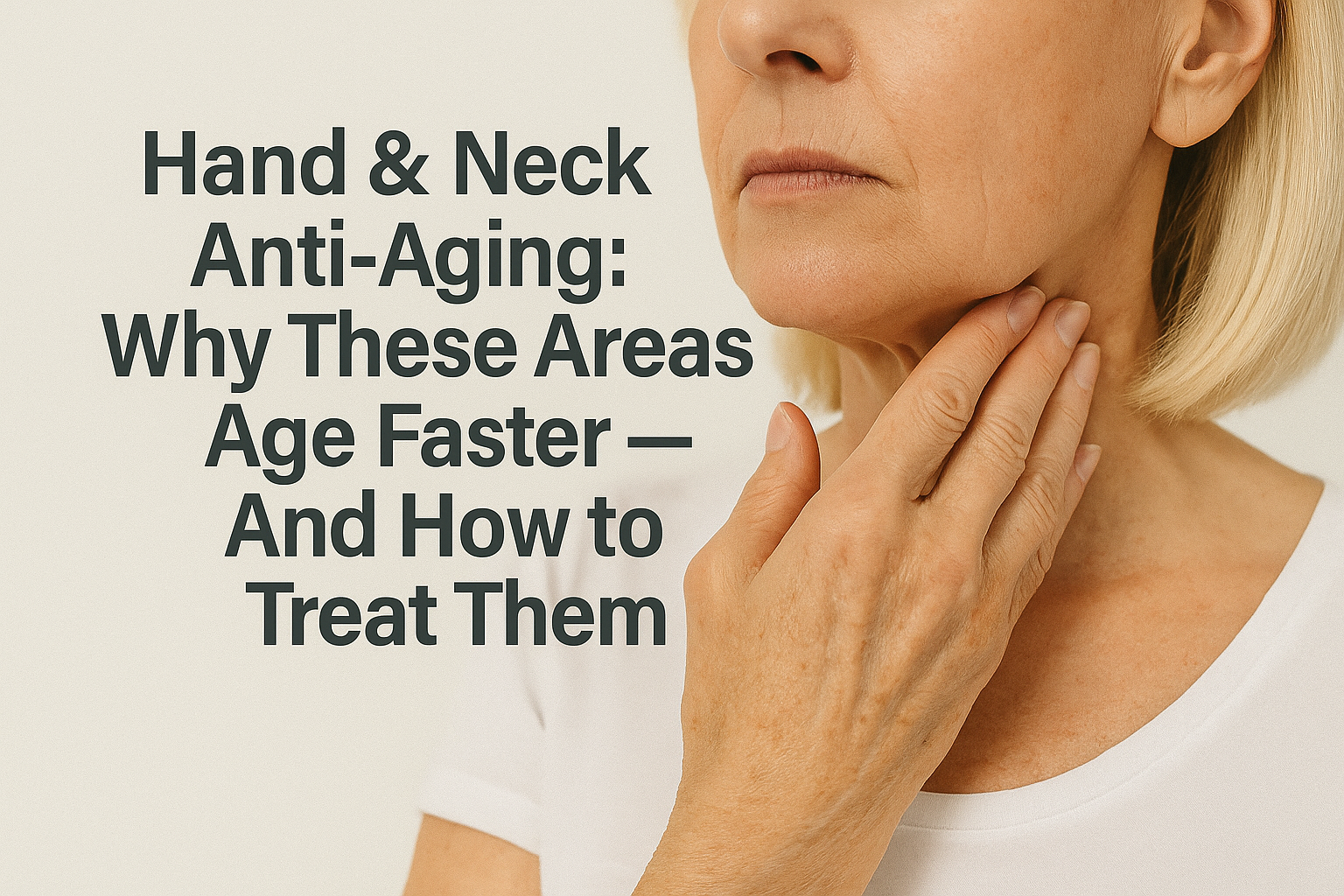
Hand & Neck Anti-Aging Why These Areas Age Faster — And How to Treat Them

Hand & Neck Anti-Aging: Why These Areas Age Faster — And How to Treat Them

Most anti-ageing routines focus on the face, yet the hands and neck are often the first areas to show visible ageing. Thin skin, constant exposure, and neglect in daily skincare make these areas more prone to wrinkles, pigmentation, and sagging. The good news is that targeted treatments can rejuvenate the hands and neck effectively. At DrCosmetist, anti-ageing plans include these often-forgotten areas to create a balanced, natural-looking result.

Why Hands and Neck Age Faster

Thinner Skin and Less Support

The skin on the hands and neck is thinner and has fewer oil glands. This makes it more vulnerable to dryness, fine lines, and crepiness.

High Sun Exposure

Hands and neck are frequently exposed to sunlight while driving, walking, or working outdoors. Over time, UV damage leads to dark spots, rough texture, and loss of elasticity.

Volume Loss

As we age, fat and collagen decrease. On the hands, this reveals tendons and veins; on the neck, it contributes to sagging and lines.

Neglected Skincare

Many people apply quality products and sunscreen to the face but forget the neck and hands, accelerating ageing in these areas.

Signs of Ageing in Hands and Neck

  • Brown spots and sun damage
  • Creepy or loose skin
  • Visible veins and tendons on the hands
  • Horizontal neck lines
  • Loss of jawline definition

Treatment Options at DrCosmetist

Dermal Fillers for Hands

Fillers can restore volume to thin, bony hands, creating a softer, more youthful appearance.

Skin Boosters

Hydrating injections improve elasticity and texture in both hands and neck.

Chemical Peels

Peels help fade dark spots and sun damage, while smoothing rough skin.

Microneedling

Microneedling stimulates collagen production, firming the neck and improving crepiness.

Medical-Grade Skincare

Retinol, vitamin C, and SPF can be extended down the neck and onto hands to prevent and treat ageing.

What DrCosmetist Offers

At DrCosmetist, hand and neck rejuvenation is carefully planned to complement facial treatments. Your doctor will:

  • Assess skin quality, pigmentation, and volume loss
  • Recommend a combination of injectables, peels, and skincare
  • Stage treatments for comfort and safety
  • Focus on natural, not overdone, results

FAQs

Are hand and neck treatments painful?
Most treatments involve minimal discomfort and are well tolerated.

Is there downtime?
There may be mild redness or swelling for a day or two, depending on the procedure.

Conclusion

Youthful, healthy-looking skin is about more than just the face. Treating the hands and neck helps create a harmonious, refreshed appearance. With the right combination of treatments and daily protection, these areas can look as smooth and radiant as your complexion.

Want a more complete anti-ageing plan? Book a consultation at DrCosmetist to explore hand and neck rejuvenation options tailored to you.