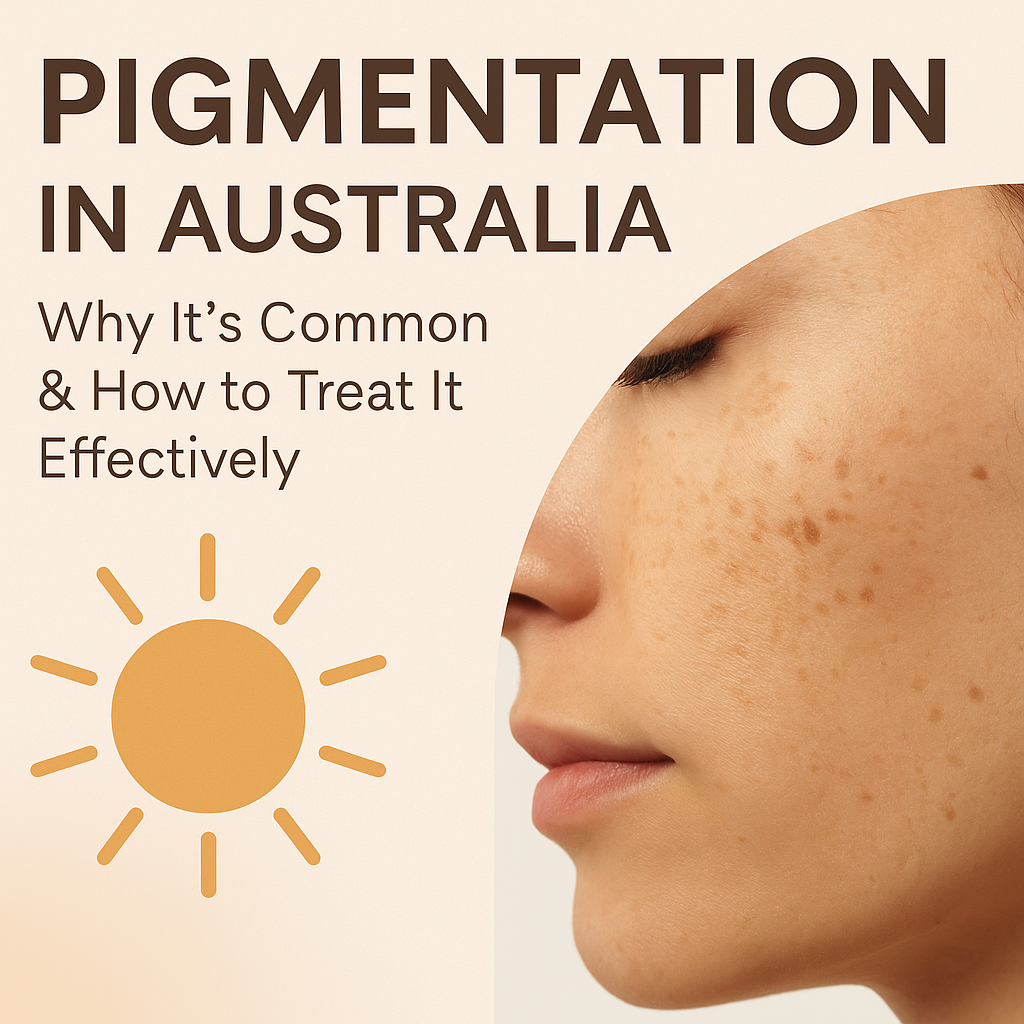
Pigmentation in Australia: Why It’s Common & How to Treat It Effectively
Australia’s warm climate and high UV index make it one of the sunniest countries in the world — and while we love the outdoors, our skin often doesn’t. Sun exposure, heat, and environmental stress make pigmentation one of the most common skin concerns among Australians.
From melasma and sunspots to uneven tone and post-inflammatory marks, pigmentation can affect confidence and skin health. The good news? With the right approach and medical-grade treatments, pigmentation can be significantly improved.
Here’s why pigmentation is so common in Australia and how to treat it safely and effectively.
Why Pigmentation Is So Common in Australia
1. Harsh UV Exposure
Australia receives some of the highest UV radiation levels in the world. UV rays trigger the skin to produce more melanin (pigment) to protect itself, leading to:
-
Freckles
-
Sunspots
-
Patchy discoloration
-
Premature aging
Even short bursts of sunshine can worsen pigmentation, especially without sunscreen.
2. Heat and Humidity
Heat — not just sunlight — can darken pigmentation. Even on cloudy days, increased temperature stimulates melanocytes, worsening melasma and brown spots.
3. Genetics and Skin Type
People with medium or olive skin tones tend to produce more pigment, making them more prone to:
-
Melasma
-
Hyperpigmentation
-
Post-acne marks
4. Hormonal Changes
Pregnancy, birth control, and hormone fluctuations can trigger melasma — often called the “mask of pregnancy.”
5. Inflammation and Skin Injury
Breakouts, eczema, shaving, and even bug bites can leave behind dark marks known as post-inflammatory hyperpigmentation (PIH).
Types of Pigmentation Seen in Australia
Understanding the type of pigmentation you have is essential for choosing the right treatment.
✔ Sunspots (Solar Lentigines)
Caused by long-term sun exposure, common on the face, chest, and hands.
✔ Melasma
Hormone-triggered pigmentation that appears in symmetrical patches (cheeks, forehead, upper lip). Easily worsened by sun or heat.
✔ Post-Inflammatory Hyperpigmentation (PIH)
Dark marks left after acne, injury, or irritation.
✔ Freckles
Genetic but darken with sun exposure.
Each type requires a tailored treatment plan — especially melasma, which can worsen with incorrect therapies.
Effective Pigmentation Treatments at Dr Cosmetist
At Dr Cosmetist, we treat pigmentation safely using advanced, medical-grade technologies and personalised plans.
1. Laser Skin Rejuvenation
Laser technology targets pigmentation by breaking down excess melanin in the skin. The body then naturally removes the pigment particles over time.
Best for:
-
Sunspots
-
Age spots
-
Freckles
-
Uneven skin tone
Why it works:
Lasers stimulate collagen and fade pigmentation for clearer, brighter skin.
Important note:
Not all lasers are suitable for melasma. A proper consultation is crucial.
2. Chemical Peels
Chemical peels exfoliate the top layers of skin, reducing discoloration and revealing fresh, even-toned skin underneath.
Best for:
-
PIH
-
Mild melasma
-
Sun damage
-
Uneven tone
Benefits:
✔ Brightens complexion
✔ Improves texture
✔ Minimal downtime
3. RF Microneedling
RF microneedling improves pigmentation indirectly by regenerating skin from within.
Best for:
-
Textural pigmentation
-
Sun damage
-
Acne-related discoloration
Why it works:
It stimulates deep collagen production and skin renewal, improving both pigmentation and texture.
4. Medical-Grade Skincare
A good skincare routine is essential for long-term pigmentation control.
Key ingredients include:
-
Vitamin C
-
Retinol
-
Niacinamide
-
Tranexamic acid
-
SPF (a MUST in Australia)
At Dr Cosmetist, we prescribe medical-grade skincare tailored to your skin type and concerns.
5. Combination Treatments
Many pigmentation concerns require a combination approach, such as:
-
Laser + peels
-
RF microneedling + skincare
-
Peels + topical brightening agents
This strategy ensures safer, faster, and long-lasting results.
How to Prevent Pigmentation from Returning
Pigmentation can return — especially in Australia’s climate — so prevention is essential.
✔ Wear sunscreen daily (SPF 50 recommended)
✔ Avoid direct sunlight during peak hours
✔ Reapply SPF every 2 hours outdoors
✔ Use hats and protective clothing
✔ Stick to your recommended skincare routine
✔ Avoid picking pimples or scratching irritated skin
Consistent habits are just as important as treatments.
Pigmentation may be common in Australia, but it is also highly treatable with the right expertise. Whether you’re dealing with melasma, sunspots, or uneven tone, modern non-surgical treatments can dramatically improve your skin’s clarity and brightness.
At Dr Cosmetist, we specialise in personalised pigmentation solutions using safe, proven technologies.
✨ Want clearer, brighter, more even skin?
Book a consultation with Dr Cosmetist today and start your pigmentation-correcting journey.